Nant Gwrtheyrn
telephone 01758 750334 _     telephone post@nantgwrtheyrn.org
A
A
A
Cymraeg : Hanes Cynnar
Search          
Help / Cymorth

Twitter Logo Tweets

Early History

Pre-history until the 5th century

The earliest archaeological evidence of inhabitation in the area are the two well-known Iron Age hillforts which dominate the high ground above Nant Gwrtheyrn. Tre'r Ceiri and the Rivals were both inhabited between 150 BC and 400 AD. Little is known about these early inhabitants, other than they depended heavily on the local iron which was exported and sold.


Bring your walking boots

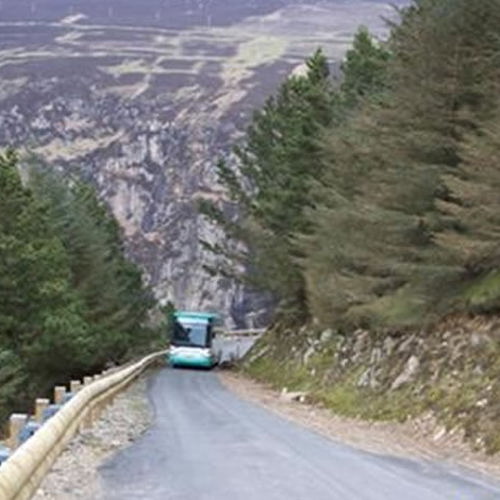
Tre’r Ceiri hillfort
© R Lord

Bring your walking boots!

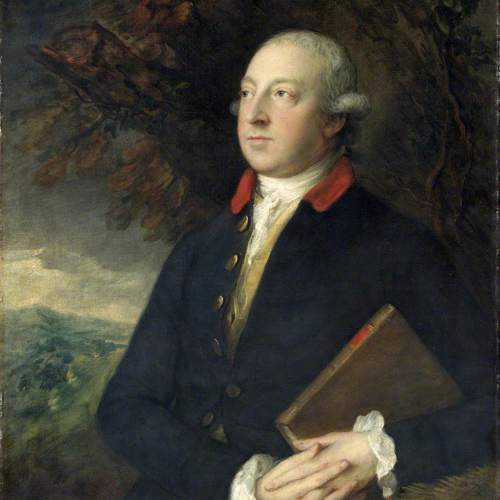
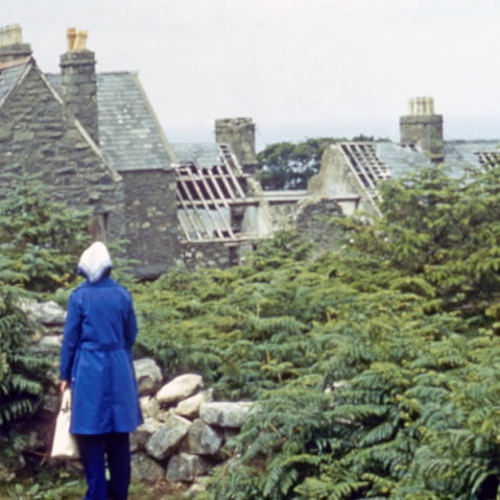
Tre’r Ceiri is one of Wales’ most spectacular ancient monuments. It was first brought to the attention of the population by Thomas Pennant who traveled around North Wales and wrote his famous book, ‘Tours of Wales’. Its spectacular location has attracted visitors and walkers for years.

Tre'r Ceiri 2

Developed by blahdblah
Registration Number 03865538 Company, Registered in England and Wales.
Nant Gwrtheyrn, Llithfaen, Pwllheli, Gwynedd, Wales, United Kingdom. LL53 6NL
01758 750 334

Caffi Meinir

Neuadd y Nant

Y Plas

Trem y Mynydd

Trem y Môr

Quarryman’s cottage

Chapel and Heritage Centre

Office and Reception

This site uses cookies to store information on your computer. See our Cookie Policy for further details on how to block cookies.
I am happy with this
 

Cookies

What is a Cookie

A cookie, also known as an HTTP cookie, web cookie, or browser cookie, is a piece of data stored by a website within a browser, and then subsequently sent back to the same website by the browser. Cookies were designed to be a reliable mechanism for websites to remember things that a browser had done there in the past, which can include having clicked particular buttons, logging in, or having read pages on that site months or years ago.

NOTE : It does not know who you are or look at any of your personal files on your computer.

Why we use them

When we provide services, we want to make them easy, useful and reliable. Where services are delivered on the internet, this sometimes involves placing small amounts of information on your device, for example, your computer or mobile phone. These include small files known as cookies. They cannot be used to identify you personally.

These pieces of information are used to improve services for you through, for example:

  • recognising that you may already have given a username and password so you don’t need to do it for every web page requested
  • measuring how many people are using services, so they can be made easier to use and there’s enough capacity to ensure they are fast
  • analysing anonymised data to help us understand how people interact with our website so we can make them better

You can manage these small files and learn more about them from the article, Internet Browser cookies- what they are and how to manage them

Learn how to remove cookies set on your device

There are two types of cookie you may encounter when using our site :

First party cookies

These are our own cookies, controlled by us and used to provide information about usage of our site.

We use cookies in several places – we’ve listed each of them below with more details about why we use them and how long they will last.

Third party cookies

These are cookies found in other companies’ internet tools which we are using to enhance our site, for example Facebook or Twitter have their own cookies, which are controlled by them.

We do not control the dissemination of these cookies. You should check the third party websites for more information about these.

Log files

Log files allow us to record visitors’ use of the site. The CMS puts together log file information from all our visitors, which we use to make improvements to the layout of the site and to the information in it, based on the way that visitors move around it. Log files do not contain any personal information about you. If you receive the HTML-formatted version of a newsletter, your opening of the newsletter email is notified to us and saved. Your clicks on links in the newsletter are also saved. These and the open statistics are used in aggregate form to give us an indication of the popularity of the content and to help us make decisions about future content and formatting.